
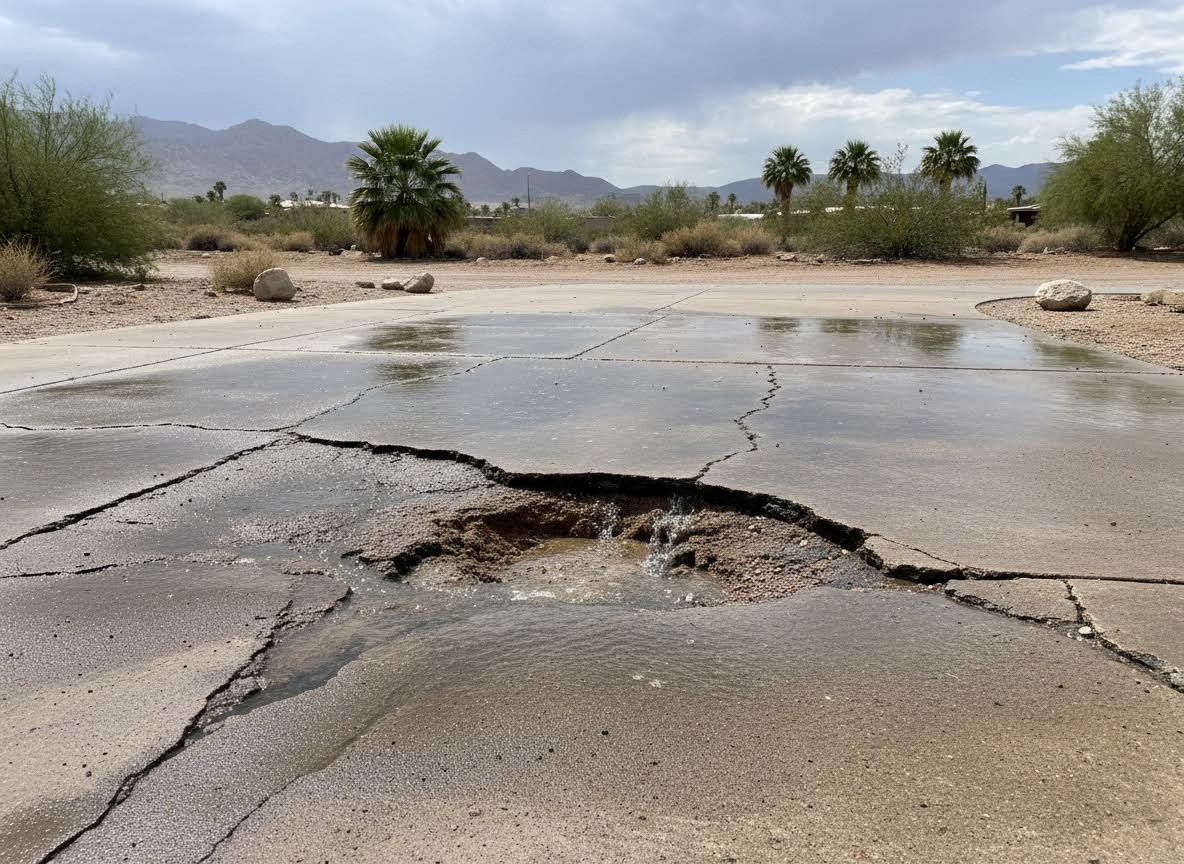
In arid regions, the infrequent yet intense desert rain can be surprisingly destructive, posing unique challenges to concrete surfaces often underestimated by property owners. While seemingly a blessing, these sudden downpours can wreak havoc on infrastructure, especially when existing damage creates vulnerabilities. Understanding how desert rain destroys cracked concrete is crucial for maintaining the integrity and longevity of your commercial properties. Faded Lines LLC is here to shed light on this issue and help you protect your investments.
The Insidious Entry: Water Infiltration
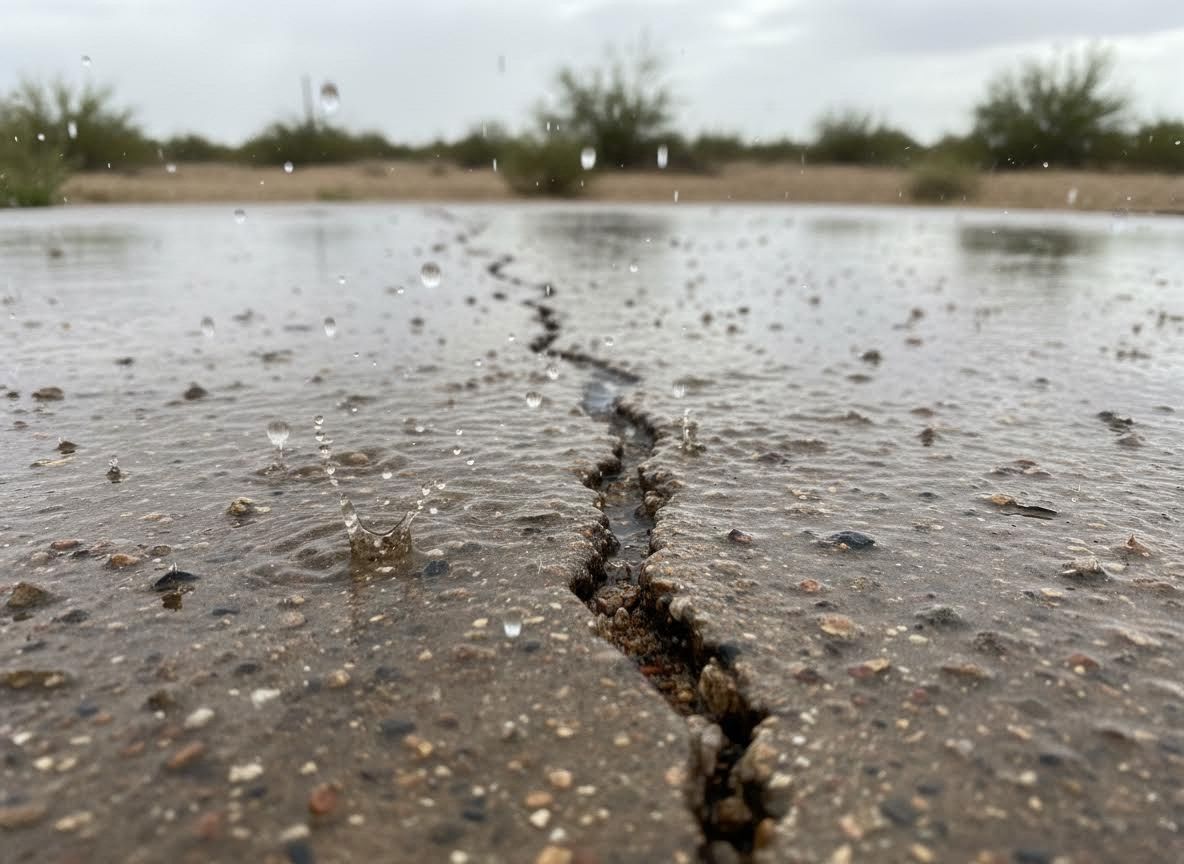
Even the smallest cracks in concrete surfaces, whether from age, stress, or initial installation flaws, act as direct conduits for water penetration. When desert rain falls, it often does so in short, heavy bursts, creating significant runoff. This water quickly finds its way into these fissures, saturating the underlying sub-base and compromising the structural integrity from beneath. What might appear as a minor surface crack can rapidly become a gateway for deeper, more pervasive damage, unseen until it manifests as larger issues.
Expansion and Contraction: The Freeze-Thaw Alternative
While desert climates typically don't experience extensive freeze-thaw cycles like colder regions, they are characterized by extreme temperature fluctuations between day and night. Water that has seeped into concrete cracks during a rain event will expand and contract with these significant temperature shifts. As temperatures rise, the water evaporates, leaving behind minuscule salt and mineral deposits. When the next rain comes, more water enters, pushing deeper into the existing void. This continuous cycle of wetting, drying, and subsequent expansion and contraction acts like a slow, relentless wedge, gradually widening cracks and leading to spalling, crumbling, and eventual structural breakdown of the concrete.
Sub-Base Erosion and Void Formation
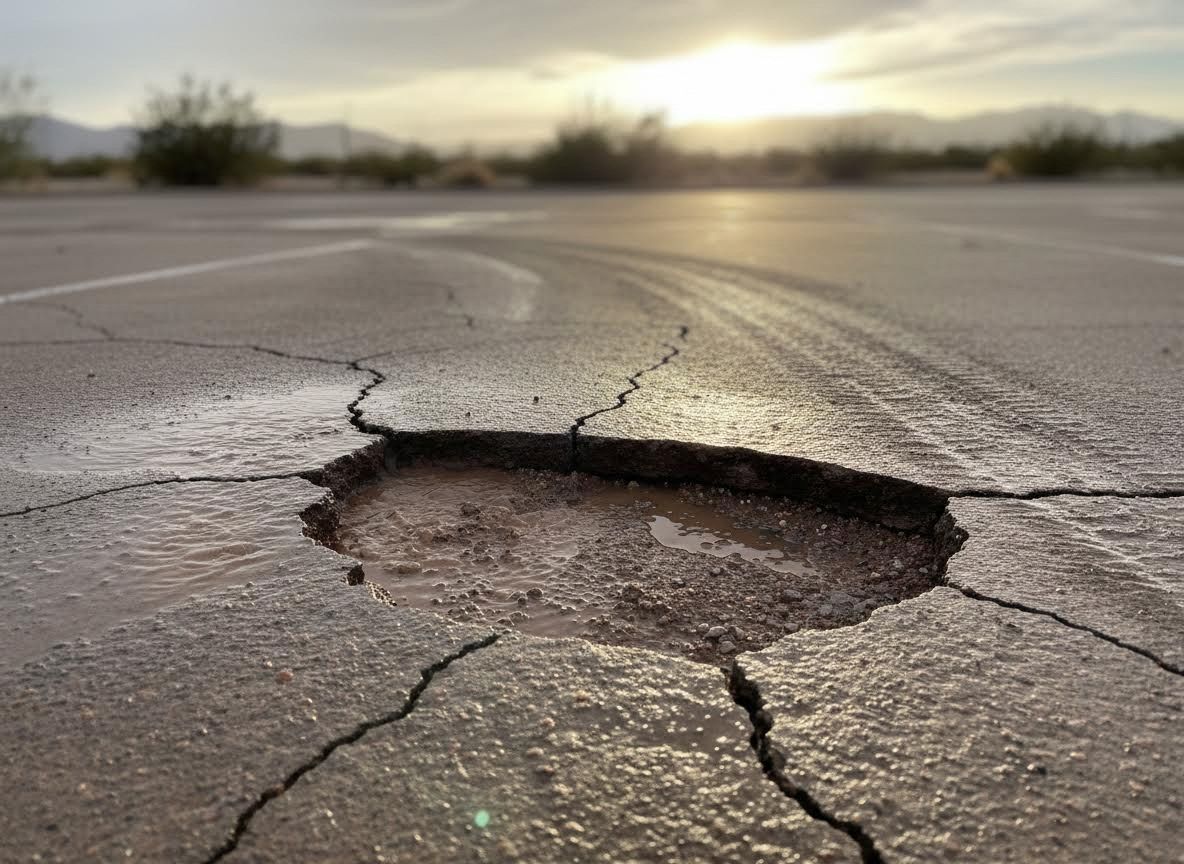
Once water penetrates the concrete, it doesn't just sit there. It actively erodes the supporting sub-base layer beneath the slab. This erosion washes away critical bedding material, creating voids and uneven support. When vehicles drive over these weakened sections, the concrete, lacking uniform support, is highly susceptible to further cracking, sinking, and ultimately breaking apart. This compromised foundation not only poses a safety hazard but also significantly diminishes the aesthetic appeal and value of your property, affecting everything from pedestrian walkways to large parking areas that require clear parking striping. Without proper concrete crack repair, this erosion can lead to costly and extensive rehabilitation.
The Long-Term Impact on Property Value and Safety
The cumulative effect of desert rain on cracked concrete extends beyond just aesthetic deterioration. Compromised surfaces, especially in high-traffic areas, become significant liability risks. Uneven pavement and potholes can cause trips and falls for pedestrians or damage vehicles, leading to potential lawsuits. Furthermore, neglected concrete damage can devalue your commercial property, creating a poor first impression for clients and tenants. Addressing these issues proactively is not just about maintenance; it's about safeguarding your assets, ensuring operational continuity, and maintaining a professional image.
Protecting your commercial property from the damaging effects of desert rain is essential for long-term durability and safety. Proactive concrete crack repair, combined with preventative measures like high-quality sealcoating, can significantly extend the lifespan of your paved surfaces. From ensuring clear parking striping to precise curb painting, Faded Lines LLC offers comprehensive solutions to maintain the integrity and appearance of your business's exterior. Learn more about effective concrete maintenance strategies by visiting our website.